How to audit Bolt app code before the demo becomes production.
How to audit Bolt app code is a practical question for founders who already have a working demo. The app may look polished, but the generated code still needs review around auth, Supabase policies, exposed keys, paid APIs, webhooks, direct routes, empty states, and cleanup handoff.
Use this guide when you need to decide whether a Bolt-built app is ready to launch, ready for a cleanup specialist, or still too unclear for another AI coding agent to edit safely.
Runs inside VS Code · BYOK · No code storage by RomantiCode
Review before cleanup
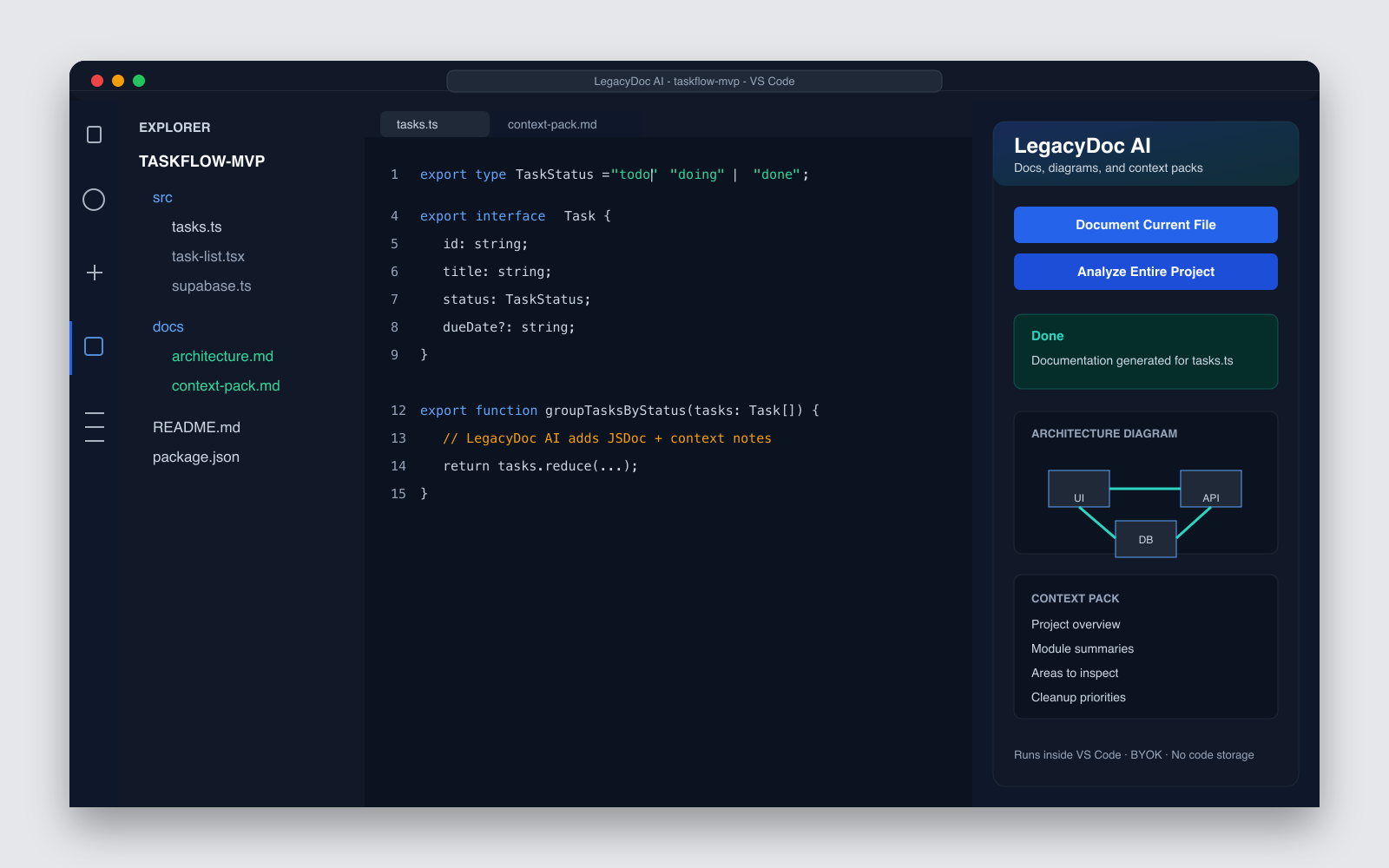
Audit focus
- Architecture map before cleanup
- Risky files and review boundaries
- Context pack for AI coding agents
Map
Audit
Handoff
The demo is not the audit
How to audit Bolt app code starts after the app works. You need to inspect the exported code, not just the preview.
Bolt-specific risks matter
How to audit Bolt app code means checking Supabase policies, generated routes, keys, webhooks, and user boundaries.
The output must be a handoff
How to audit Bolt app code should end with a clear cleanup brief, not a vague statement that the code looks messy.
How to audit Bolt app code is a launch-readiness workflow, not a generic code review.
The searcher is usually not asking how Bolt works. They already built something. They want to know whether the app is safe enough to show users, investors, clients, or a developer. That makes how to audit Bolt app code a different search intent from generic secure coding, generic AI code review, or generic vibe coding commentary.
The right answer is a sequence. First, export and map the current project. Second, inspect the flows where generated apps often fail: auth, data access, secrets, payments, webhooks, direct routing, empty states, and deployment assumptions. Third, package the findings so the next person can fix the app without guessing.
| Risk area | What to check | Evidence to keep |
|---|---|---|
| Authentication | Protected routes, session checks, password reset, email verification, admin paths, and whether server code rejects unauthenticated access. | Route list, auth helper files, policy screenshots, failing unauthenticated requests, and a written decision about who can do what. |
| Supabase and data | Row-level security, table ownership, broad select policies, generated SQL, storage buckets, public URLs, and destructive mutations. | Schema notes, policy notes, table ownership map, data flow map, and a list of tables that contain sensitive data. |
| Secrets and paid services | OpenAI, Stripe, Resend, SendGrid, Firebase, analytics, database, and storage keys that Bolt may have placed in client-facing code. | Environment variable inventory, grep results, bundling review, and a list of paid API routes that need rate limits or server-side checks. |
| Payments and webhooks | Webhook signature verification, duplicate events, refund states, subscription cancellation, trial ending, and failed charge handling. | Webhook files, payment provider dashboard notes, test event results, and manual smoke tests for each payment state. |
| Generated UI and routing | Direct URL refresh, loading states, empty states, error boundaries, mobile layout, hidden admin buttons, and generated placeholder copy. | Screenshots, route smoke test table, mobile viewport notes, and a short list of routes that still break or confuse users. |
| Maintainability | Duplicated components, unclear state ownership, missing tests, oversized files, dead prompts, no setup notes, and no rollback path. | Architecture map, module summary, command list, cleanup priority list, and files that should not be touched until a human reviews them. |
A six-step order for how to audit Bolt app code
How to audit Bolt app code becomes easier when the review order is fixed. Do not jump straight to a giant refactor prompt. Move from current state, to product flows, to risky boundaries, to evidence, to handoff.
Step 01
Export the real codebase state
How to audit Bolt app code starts with the exported repository, not only the chat history. Capture the current routes, components, Supabase files, environment assumptions, package versions, and deployment target before asking another AI tool to judge the app.
Step 02
Map the product flows
How to audit Bolt app code without getting lost: write down the user flows first. Signup, dashboard, billing, file upload, admin, deletion, invitation, and webhook flows tell you which generated files matter and which files are background noise.
Step 03
Check auth and data boundaries
How to audit Bolt app code for real risk usually means checking whether the UI, API routes, and Supabase policies agree. A route can look protected in the interface while a generated client call still reads or writes data too broadly.
Step 04
Review secrets and paid APIs
How to audit Bolt app code before launch must include OpenAI, Stripe, email, analytics, storage, and database keys. Any key in frontend code, sample config, generated prompt text, or committed test file becomes a launch blocker.
Step 05
Test failures, not just demos
How to audit Bolt app code means forcing the ugly paths: expired login links, empty accounts, duplicate payments, missing permissions, failed uploads, offline APIs, bad webhooks, and users opening routes directly after refresh.
Step 06
Prepare cleanup handoff
How to audit Bolt app code should end with a handoff plan. List risky files, safe files, unknowns, verification commands, and the next small cleanup step so a developer, cleanup specialist, or AI coding agent does not rewrite everything blindly.
The audit is not finished until someone can act on it.
How to audit Bolt app code is really how to reduce uncertainty. A founder needs to know whether the app can launch. A cleanup specialist needs to know where to start. An AI coding agent needs boundaries and verification steps. A future maintainer needs a map instead of a folder full of generated code.
LegacyDoc AI helps turn the exported codebase into a context pack: architecture notes, module summaries, risk areas, cleanup priorities, and handoff notes. That context makes the Bolt app easier to audit before anyone changes the code.
Handoff 1
How to audit Bolt app code output
A one-page product summary: who the Bolt app serves, what it sells, and which flow must not break.
Handoff 2
How to audit Bolt app code output
A route map with public, logged-in, admin, webhook, and callback routes separated.
Handoff 3
How to audit Bolt app code output
A Supabase and storage map that explains tables, policies, buckets, and user ownership.
Handoff 4
How to audit Bolt app code output
A secrets inventory that says where each paid API key should live and which files must not contain it.
Handoff 5
How to audit Bolt app code output
A risk list that separates launch blockers from cleanup tasks and cosmetic improvements.
Handoff 6
How to audit Bolt app code output
Verification commands, manual smoke tests, and screenshots for the flows that matter.
Handoff 7
How to audit Bolt app code output
Safe-change boundaries for Claude Code, Cursor, Codex, or a cleanup specialist.
Handoff 8
How to audit Bolt app code output
A short audit conclusion: ship small, fix before launch, request deeper audit, or rebuild one fragile module.
What this Bolt app audit should and should not promise
How to audit Bolt app code for launch readiness does not mean claiming the app is certified secure. It means finding the obvious and expensive risks before they reach users: overbroad data access, keys in client code, payment assumptions, broken refresh routes, missing error handling, and generated files that no one can maintain.
If the app handles healthcare, finance, legal records, children, enterprise data, regulated transactions, or serious payment volume, this workflow should prepare a professional security review. If the app is an early MVP, this workflow can still prevent the common mistake: launching a working screen while the data, auth, and cleanup path are unknown.
The best next action is small. Generate context, name the risky areas, fix one launch blocker, verify it, and keep the audit notes updated. That is safer than asking an AI tool to refactor the whole Bolt app in one dramatic pass.
Mistakes to avoid
Avoid this
Asking Bolt to audit itself without exporting the current codebase state.
Avoid this
Treating a working demo as proof that auth, payments, and data access are safe.
Avoid this
Checking only visible UI routes while ignoring API routes, policies, webhooks, and direct URL access.
Avoid this
Pasting the whole repository into an AI tool without a codebase map or review boundaries.
Avoid this
Letting the cleanup prompt rewrite files before the risky areas are named and verified.
Avoid this
Skipping screenshots and smoke tests because the generated app looked fine during one happy-path demo.
Related audit and cleanup resources
If how to audit Bolt app code is the platform-specific question, these resources cover the broader launch audit, context pack, checklist, and request-template workflow around it.
Service
AI app launch audit
Request a launch-readiness and cleanup-scope audit before real users see the Bolt app.
Checklist
AI app production readiness checklist
Review generated apps for launch blockers, edge cases, and production handoff risks.
Checklist
AI code audit checklist
Use a general AI code audit checklist after mapping the Bolt-specific risks.
Tool
AI code audit report
Generate an audit-ready report from a local VS Code workspace before cleanup.
Template
AI app launch audit request template
Package the project context before asking for help with a Bolt app.
Use case
AI codebase context
Create a reviewed context pack before an AI coding agent or developer edits the repository.
FAQ
How to audit Bolt app code before launch?
Export the real codebase, map user flows, inspect auth and Supabase policies, review secrets and paid APIs, test failure paths, and turn the findings into a cleanup handoff. Do not rely only on the Bolt chat or the working preview.
Can Bolt audit its own generated code?
Bolt can help produce review prompts or fix instructions, but the safest workflow is a separate audit pass with exported code, a codebase map, and verification evidence. The same tool that created the app can miss the assumptions it made.
What are the biggest Bolt app risks to check?
The highest-risk areas are authentication, Supabase row-level security, exposed API keys, public routes, payment webhooks, file uploads, direct URL refresh behavior, and generated code that has no tests or setup notes.
Is this a formal security audit?
No. This guide is a practical launch-readiness and cleanup-scope workflow. If the Bolt app handles regulated data, payments, healthcare, finance, children, or enterprise customers, use it to prepare for a deeper professional security audit.
Where does LegacyDoc AI fit?
LegacyDoc AI runs inside VS Code and helps generate architecture notes, module summaries, risk areas, cleanup priorities, and handoff context. That makes the Bolt app easier to review before a developer, cleanup specialist, or AI coding agent changes it.
how to audit Bolt app code decision checklist
This section keeps how to audit Bolt app code focused on one search intent. A reader comparing options for how to audit Bolt app code should quickly see the task, the evidence, the handoff value, and the next action without leaving the page.
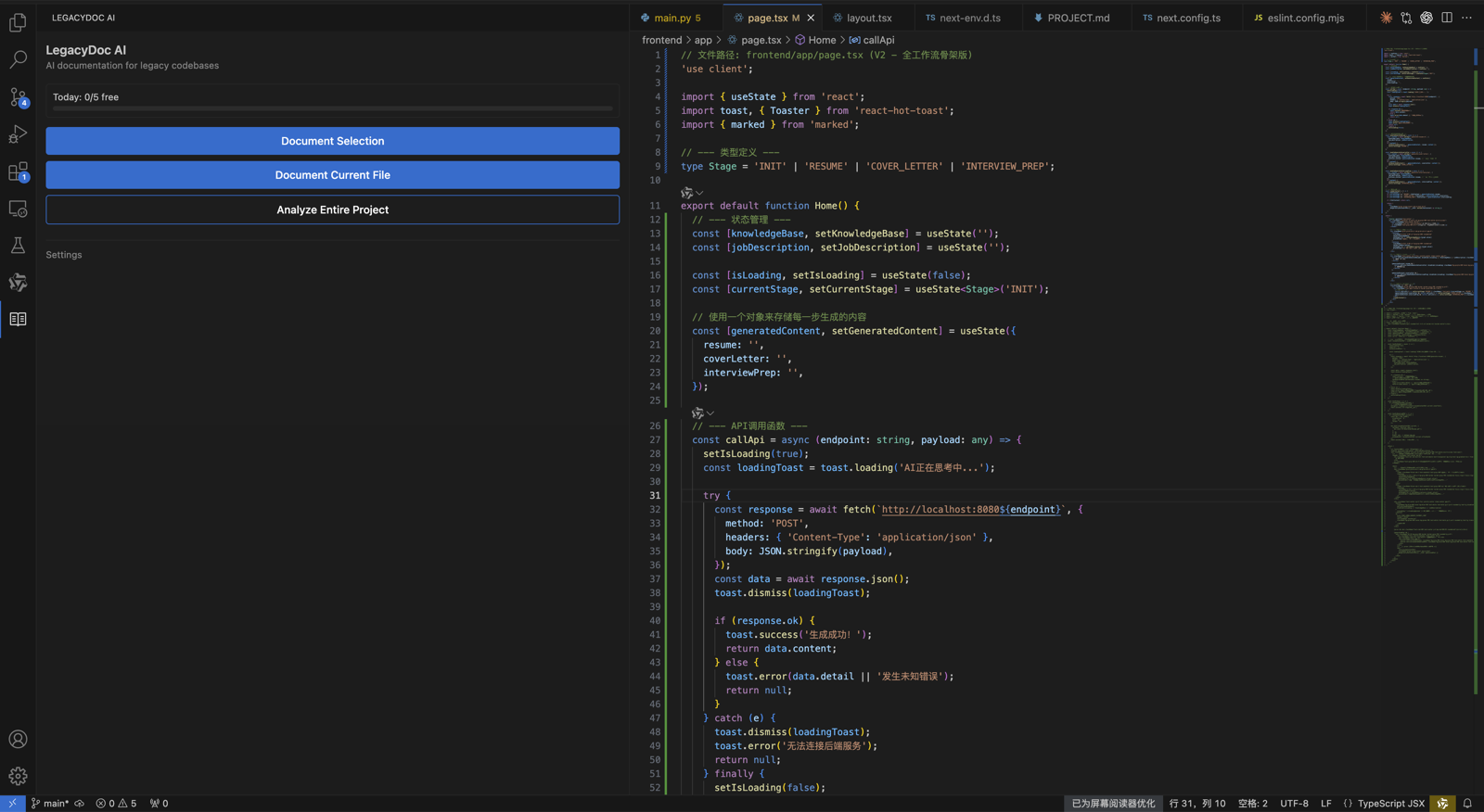
how to audit Bolt app code checkpoint 1
Use how to audit Bolt app code as the page promise, then verify that how to audit Bolt app code is supported by the headline, the example, the internal links, the call to action, and the reader's next step. A strong how to audit Bolt app code page should explain who needs how to audit Bolt app code, what evidence is required before acting, and how RomantiCode reduces uncertainty for founders, developers, cleanup specialists, and AI coding agents. Keep the how to audit Bolt app code checklist tied to a real workflow: inspect the codebase, map risky files, prepare context, compare options, and decide whether to audit, refactor, hire help, or continue with an AI assistant.
how to audit Bolt app code checkpoint 2
Use how to audit Bolt app code as the page promise, then verify that how to audit Bolt app code is supported by the headline, the example, the internal links, the call to action, and the reader's next step. A strong how to audit Bolt app code page should explain who needs how to audit Bolt app code, what evidence is required before acting, and how RomantiCode reduces uncertainty for founders, developers, cleanup specialists, and AI coding agents. Keep the how to audit Bolt app code checklist tied to a real workflow: inspect the codebase, map risky files, prepare context, compare options, and decide whether to audit, refactor, hire help, or continue with an AI assistant.
how to audit Bolt app code checkpoint 3
Use how to audit Bolt app code as the page promise, then verify that how to audit Bolt app code is supported by the headline, the example, the internal links, the call to action, and the reader's next step. A strong how to audit Bolt app code page should explain who needs how to audit Bolt app code, what evidence is required before acting, and how RomantiCode reduces uncertainty for founders, developers, cleanup specialists, and AI coding agents. Keep the how to audit Bolt app code checklist tied to a real workflow: inspect the codebase, map risky files, prepare context, compare options, and decide whether to audit, refactor, hire help, or continue with an AI assistant.
how to audit Bolt app code checkpoint 4
Use how to audit Bolt app code as the page promise, then verify that how to audit Bolt app code is supported by the headline, the example, the internal links, the call to action, and the reader's next step. A strong how to audit Bolt app code page should explain who needs how to audit Bolt app code, what evidence is required before acting, and how RomantiCode reduces uncertainty for founders, developers, cleanup specialists, and AI coding agents. Keep the how to audit Bolt app code checklist tied to a real workflow: inspect the codebase, map risky files, prepare context, compare options, and decide whether to audit, refactor, hire help, or continue with an AI assistant.
how to audit Bolt app code checkpoint 5
Use how to audit Bolt app code as the page promise, then verify that how to audit Bolt app code is supported by the headline, the example, the internal links, the call to action, and the reader's next step. A strong how to audit Bolt app code page should explain who needs how to audit Bolt app code, what evidence is required before acting, and how RomantiCode reduces uncertainty for founders, developers, cleanup specialists, and AI coding agents. Keep the how to audit Bolt app code checklist tied to a real workflow: inspect the codebase, map risky files, prepare context, compare options, and decide whether to audit, refactor, hire help, or continue with an AI assistant.
how to audit Bolt app code checkpoint 6
Use how to audit Bolt app code as the page promise, then verify that how to audit Bolt app code is supported by the headline, the example, the internal links, the call to action, and the reader's next step. A strong how to audit Bolt app code page should explain who needs how to audit Bolt app code, what evidence is required before acting, and how RomantiCode reduces uncertainty for founders, developers, cleanup specialists, and AI coding agents. Keep the how to audit Bolt app code checklist tied to a real workflow: inspect the codebase, map risky files, prepare context, compare options, and decide whether to audit, refactor, hire help, or continue with an AI assistant.
how to audit Bolt app code checkpoint 7
Use how to audit Bolt app code as the page promise, then verify that how to audit Bolt app code is supported by the headline, the example, the internal links, the call to action, and the reader's next step. A strong how to audit Bolt app code page should explain who needs how to audit Bolt app code, what evidence is required before acting, and how RomantiCode reduces uncertainty for founders, developers, cleanup specialists, and AI coding agents. Keep the how to audit Bolt app code checklist tied to a real workflow: inspect the codebase, map risky files, prepare context, compare options, and decide whether to audit, refactor, hire help, or continue with an AI assistant.
how to audit Bolt app code checkpoint 8
Use how to audit Bolt app code as the page promise, then verify that how to audit Bolt app code is supported by the headline, the example, the internal links, the call to action, and the reader's next step. A strong how to audit Bolt app code page should explain who needs how to audit Bolt app code, what evidence is required before acting, and how RomantiCode reduces uncertainty for founders, developers, cleanup specialists, and AI coding agents. Keep the how to audit Bolt app code checklist tied to a real workflow: inspect the codebase, map risky files, prepare context, compare options, and decide whether to audit, refactor, hire help, or continue with an AI assistant.
how to audit Bolt app code checkpoint 9
Use how to audit Bolt app code as the page promise, then verify that how to audit Bolt app code is supported by the headline, the example, the internal links, the call to action, and the reader's next step. A strong how to audit Bolt app code page should explain who needs how to audit Bolt app code, what evidence is required before acting, and how RomantiCode reduces uncertainty for founders, developers, cleanup specialists, and AI coding agents. Keep the how to audit Bolt app code checklist tied to a real workflow: inspect the codebase, map risky files, prepare context, compare options, and decide whether to audit, refactor, hire help, or continue with an AI assistant.
how to audit Bolt app code checkpoint 10
Use how to audit Bolt app code as the page promise, then verify that how to audit Bolt app code is supported by the headline, the example, the internal links, the call to action, and the reader's next step. A strong how to audit Bolt app code page should explain who needs how to audit Bolt app code, what evidence is required before acting, and how RomantiCode reduces uncertainty for founders, developers, cleanup specialists, and AI coding agents. Keep the how to audit Bolt app code checklist tied to a real workflow: inspect the codebase, map risky files, prepare context, compare options, and decide whether to audit, refactor, hire help, or continue with an AI assistant.
how to audit Bolt app code checkpoint 11
Use how to audit Bolt app code as the page promise, then verify that how to audit Bolt app code is supported by the headline, the example, the internal links, the call to action, and the reader's next step. A strong how to audit Bolt app code page should explain who needs how to audit Bolt app code, what evidence is required before acting, and how RomantiCode reduces uncertainty for founders, developers, cleanup specialists, and AI coding agents. Keep the how to audit Bolt app code checklist tied to a real workflow: inspect the codebase, map risky files, prepare context, compare options, and decide whether to audit, refactor, hire help, or continue with an AI assistant.
how to audit Bolt app code checkpoint 12
Use how to audit Bolt app code as the page promise, then verify that how to audit Bolt app code is supported by the headline, the example, the internal links, the call to action, and the reader's next step. A strong how to audit Bolt app code page should explain who needs how to audit Bolt app code, what evidence is required before acting, and how RomantiCode reduces uncertainty for founders, developers, cleanup specialists, and AI coding agents. Keep the how to audit Bolt app code checklist tied to a real workflow: inspect the codebase, map risky files, prepare context, compare options, and decide whether to audit, refactor, hire help, or continue with an AI assistant.
how to audit Bolt app code checkpoint 13
Use how to audit Bolt app code as the page promise, then verify that how to audit Bolt app code is supported by the headline, the example, the internal links, the call to action, and the reader's next step. A strong how to audit Bolt app code page should explain who needs how to audit Bolt app code, what evidence is required before acting, and how RomantiCode reduces uncertainty for founders, developers, cleanup specialists, and AI coding agents. Keep the how to audit Bolt app code checklist tied to a real workflow: inspect the codebase, map risky files, prepare context, compare options, and decide whether to audit, refactor, hire help, or continue with an AI assistant.
how to audit Bolt app code checkpoint 14
Use how to audit Bolt app code as the page promise, then verify that how to audit Bolt app code is supported by the headline, the example, the internal links, the call to action, and the reader's next step. A strong how to audit Bolt app code page should explain who needs how to audit Bolt app code, what evidence is required before acting, and how RomantiCode reduces uncertainty for founders, developers, cleanup specialists, and AI coding agents. Keep the how to audit Bolt app code checklist tied to a real workflow: inspect the codebase, map risky files, prepare context, compare options, and decide whether to audit, refactor, hire help, or continue with an AI assistant.
how to audit Bolt app code checkpoint 15
Use how to audit Bolt app code as the page promise, then verify that how to audit Bolt app code is supported by the headline, the example, the internal links, the call to action, and the reader's next step. A strong how to audit Bolt app code page should explain who needs how to audit Bolt app code, what evidence is required before acting, and how RomantiCode reduces uncertainty for founders, developers, cleanup specialists, and AI coding agents. Keep the how to audit Bolt app code checklist tied to a real workflow: inspect the codebase, map risky files, prepare context, compare options, and decide whether to audit, refactor, hire help, or continue with an AI assistant.
how to audit Bolt app code checkpoint 16
Use how to audit Bolt app code as the page promise, then verify that how to audit Bolt app code is supported by the headline, the example, the internal links, the call to action, and the reader's next step. A strong how to audit Bolt app code page should explain who needs how to audit Bolt app code, what evidence is required before acting, and how RomantiCode reduces uncertainty for founders, developers, cleanup specialists, and AI coding agents. Keep the how to audit Bolt app code checklist tied to a real workflow: inspect the codebase, map risky files, prepare context, compare options, and decide whether to audit, refactor, hire help, or continue with an AI assistant.
how to audit Bolt app code checkpoint 17
Use how to audit Bolt app code as the page promise, then verify that how to audit Bolt app code is supported by the headline, the example, the internal links, the call to action, and the reader's next step. A strong how to audit Bolt app code page should explain who needs how to audit Bolt app code, what evidence is required before acting, and how RomantiCode reduces uncertainty for founders, developers, cleanup specialists, and AI coding agents. Keep the how to audit Bolt app code checklist tied to a real workflow: inspect the codebase, map risky files, prepare context, compare options, and decide whether to audit, refactor, hire help, or continue with an AI assistant.
how to audit Bolt app code checkpoint 18
Use how to audit Bolt app code as the page promise, then verify that how to audit Bolt app code is supported by the headline, the example, the internal links, the call to action, and the reader's next step. A strong how to audit Bolt app code page should explain who needs how to audit Bolt app code, what evidence is required before acting, and how RomantiCode reduces uncertainty for founders, developers, cleanup specialists, and AI coding agents. Keep the how to audit Bolt app code checklist tied to a real workflow: inspect the codebase, map risky files, prepare context, compare options, and decide whether to audit, refactor, hire help, or continue with an AI assistant.
how to audit Bolt app code checkpoint 19
Use how to audit Bolt app code as the page promise, then verify that how to audit Bolt app code is supported by the headline, the example, the internal links, the call to action, and the reader's next step. A strong how to audit Bolt app code page should explain who needs how to audit Bolt app code, what evidence is required before acting, and how RomantiCode reduces uncertainty for founders, developers, cleanup specialists, and AI coding agents. Keep the how to audit Bolt app code checklist tied to a real workflow: inspect the codebase, map risky files, prepare context, compare options, and decide whether to audit, refactor, hire help, or continue with an AI assistant.
how to audit Bolt app code checkpoint 20
Use how to audit Bolt app code as the page promise, then verify that how to audit Bolt app code is supported by the headline, the example, the internal links, the call to action, and the reader's next step. A strong how to audit Bolt app code page should explain who needs how to audit Bolt app code, what evidence is required before acting, and how RomantiCode reduces uncertainty for founders, developers, cleanup specialists, and AI coding agents. Keep the how to audit Bolt app code checklist tied to a real workflow: inspect the codebase, map risky files, prepare context, compare options, and decide whether to audit, refactor, hire help, or continue with an AI assistant.
Audit the Bolt app before the next cleanup prompt.
Install LegacyDoc AI in VS Code, generate a context pack, and turn the Bolt codebase into a reviewable launch-audit handoff.