Same context
Give both models the same architecture summary, relevant files, constraints, and forbidden areas.
Cursor describes Composer 2.5 as stronger for sustained long-running tasks and complex instructions. That makes project context more important, not less: a capable coding workflow needs a clear repo map, task boundary, and review checklist before the model starts a large change.
Independent workflow guide. RomantiCode is not affiliated with Cursor.
Review handoff snapshot
Audit focus
Map
Audit
Handoff
Search intent
Searchers want to know what changed in Composer 2.5 and how to use it more safely on real projects.
Official source checked
Cursor says Composer 2.5 is better at sustained work on long-running tasks and following complex instructions.
Read Cursor changelog: Composer 2.5Good fits
Avoid this
Step 1
Use LegacyDoc AI to summarize project purpose, stack, entry points, modules, architecture, and risk areas.
Step 2
Paste the relevant context into Cursor and ask Composer to plan the change in small steps.
Step 3
Tell Composer which files or modules are in scope, and explicitly name protected areas like auth, billing, data, and deployment.
Step 4
After the change, review the diff with a launch-readiness checklist and a human-readable audit report.
People searching for this model usually want more than a changelog. They want to know whether the model changes the way they should plan a coding task, prepare codebase context, and review generated output. That is why this page treats the model as a practical workflow decision: the model name matters, but the repo map, task boundary, protected files, and review gate decide whether the result is safe to use.
Use the model only after you know what the project does, which files matter, which integrations are risky, and which output will be accepted by a human reviewer. If the codebase is messy, the model may produce a confident plan that still misses hidden coupling. A small context pack makes the output more useful because it turns the search result into a reproducible developer workflow.
Use this model when
The task has a clear owner, a narrow scope, a known framework, and a review checklist. In that situation, the model can help with planning, explanation, implementation options, and follow-up review.
Do not use this model when
The prompt asks for a complete rewrite, the repo has no map, or the change touches auth, payments, data migration, deployment, or compliance without a separate audit step.
Compare the model fairly
Compare the model against another model by running the same context pack, the same task boundary, and the same review checklist. A raw benchmark number is less useful than whether the final diff is safe.
Keep evidence
Save the prompt, generated plan, changed files, failed assumptions, and review notes. That evidence makes model output easier to compare with Claude Code, Cursor, Codex, or a human developer.
A useful comparison should measure the workflow around the model, not only the model response. If one test gives this model a clean project brief and another test gives a competing model a vague prompt, the comparison is not fair. The goal is to learn when the model helps the developer move faster without hiding risk.
Give both models the same architecture summary, relevant files, constraints, and forbidden areas.
Ask both models for the same narrow change: one component, one route, one bug, one refactor slice, or one documentation pass.
Judge both models with the same checklist: correctness, scope control, testability, maintainability, and launch risk.
A compact benchmark note
For each model run, record the prompt, input context, files touched, commands suggested, assumptions, and review result. If the model suggests edits outside the boundary, mark that as a workflow failure even when the generated code looks polished. If the model asks for clarification, preserves scope, and explains risk, that is often more valuable than a large diff.
The model can be fast, capable, or multimodal, but it still works from the context you provide. If the context is wrong, the output can be wrong in a way that looks professional. A review gate turns model output from a black-box answer into a checked workflow: confirm the task goal, inspect the affected files, run the local commands, and update the context pack when the model discovered something new.
Model launch pages create attention, but a useful developer workflow page should translate that attention into a repeatable test. These notes keep the page focused on the real search intent: how to use the model on a codebase without losing scope, evidence, or review quality.
A Composer 2.5 task should begin with a prepared repo brief. Composer 2.5 can stay useful across a long instruction only when Composer 2.5 knows the project purpose, stack, entry points, risky files, and acceptance criteria. Without that context, Composer 2.5 may spend tokens rediscovering the app or making broad edits outside the intended boundary.
Use Composer 2.5 for one scoped change at a time. Ask Composer 2.5 to inspect, plan, edit, and verify in sequence. If Composer 2.5 proposes touching auth, billing, migrations, deployment, or generated clients, pause the task and narrow the scope. A strong Composer 2.5 workflow is not a bigger prompt; it is a smaller, clearer work order.
When comparing Composer 2.5 with another coding workflow, keep the test fair. Give Composer 2.5 the same context pack, same protected file list, and same checklist. Record the Composer 2.5 plan, final diff, failed assumptions, and review notes. That makes Composer 2.5 easier to judge by scope control rather than excitement around a launch note. Composer 2.5 should be treated as a repeatable workflow test, and Composer 2.5 results should be saved for review. Composer 2.5 evidence should remain easy to inspect.
Before a model or coding agent acts, give it a compact set of project facts that a human reviewer can also inspect.
Read this project context before using Composer. First propose a scoped plan, then make the smallest useful change. Keep protected files untouched unless I explicitly approve them.
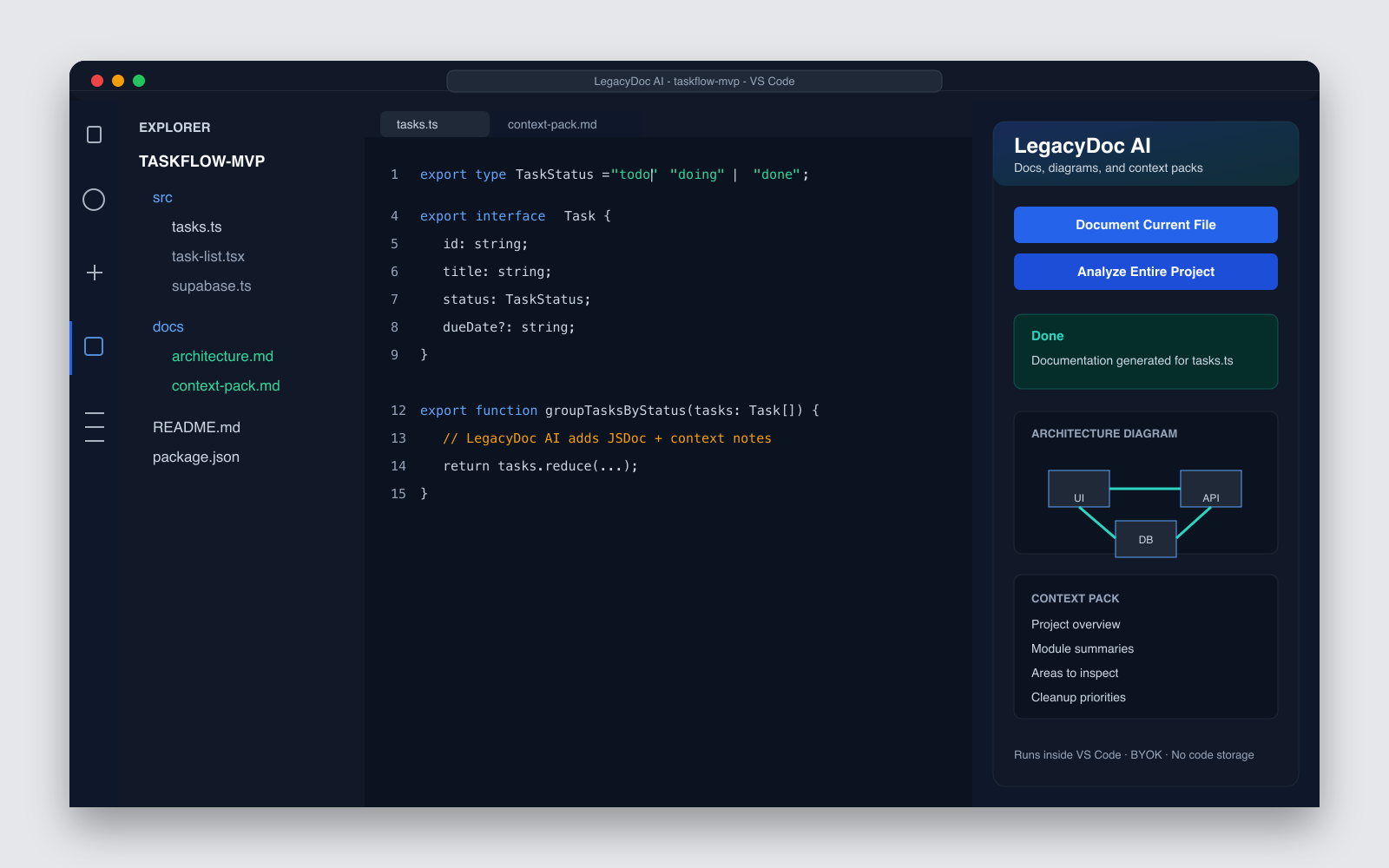
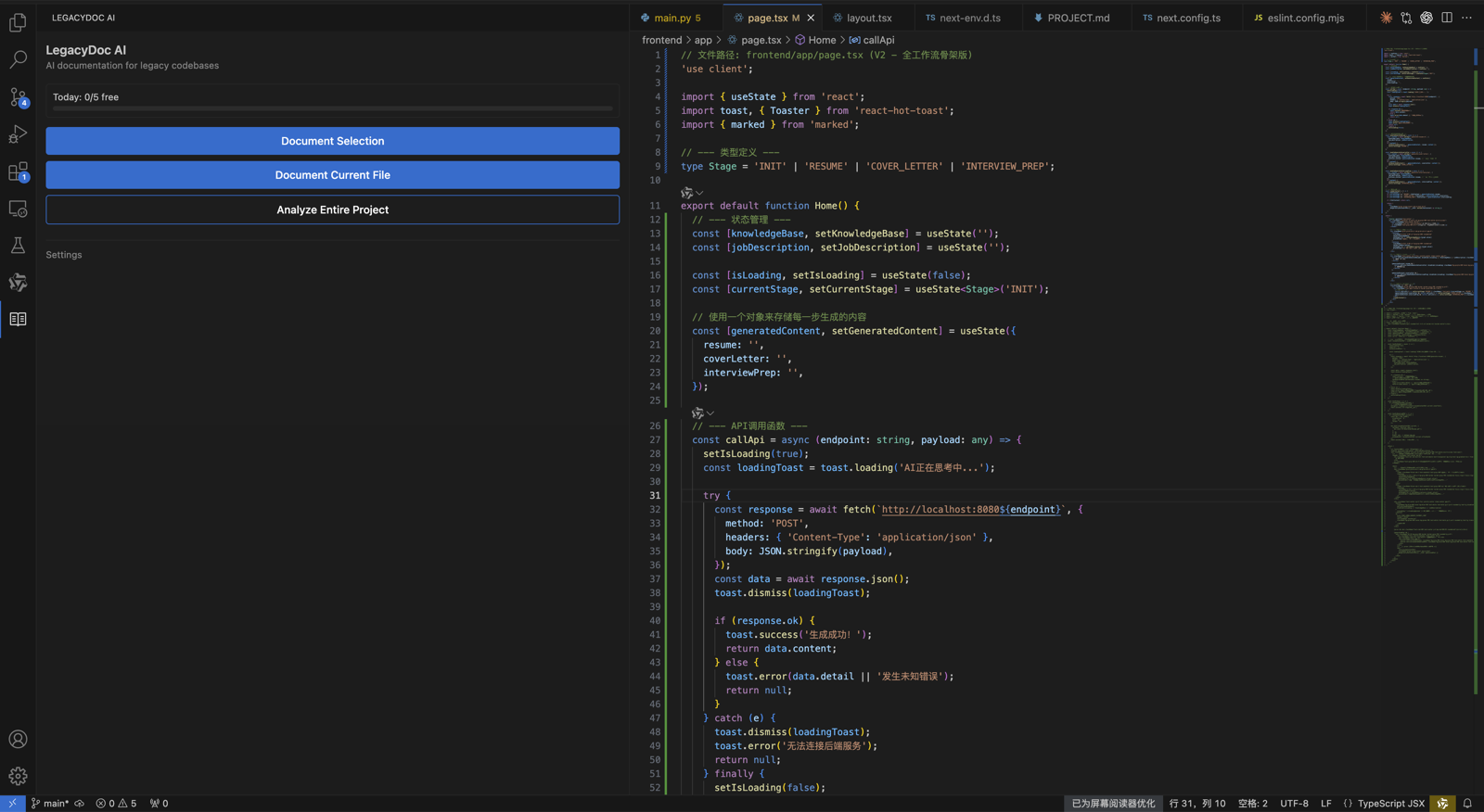
LegacyDoc AI runs in VS Code, uses your own provider key, and helps produce documentation, diagrams, and audit-ready context that you can bring into your preferred AI coding workflow.
Generate docs
Create workspace documentation before the model reads the project.
Map architecture
Give the agent a human-readable diagram and module summary.
Prepare handoff
Turn context into prompts, reports, and review notes.
Keep code private
RomantiCode does not store your code on its servers.
No. RomantiCode is independent. This page explains how to prepare codebase context for Cursor workflows.
No. LegacyDoc AI is a context and documentation layer. Composer is the coding workflow inside Cursor; LegacyDoc AI helps prepare the project brief that makes that workflow safer.
Paste a concise project summary, architecture notes, relevant files, task goal, acceptance criteria, protected areas, and verification steps.
Index
AI Model Workflows
More model-specific context and coding-agent guides.
Gemini 3.5 Flash
Searchers want to understand whether Gemini 3.5 Flash is useful for coding agents, long-horizon tasks, and practical developer workflows.
Gemini Omni
Searchers want to understand what Gemini Omni can do and how to use it for concrete workflows instead of one-off experiments.
Use case
AI Codebase Context
Create the project brief before asking an AI coding tool to change code.
This section keeps Composer 2.5 Context Pack Guide for Cursor | RomantiCode focused on one search intent. A reader comparing options for Composer 2.5 should quickly see the task, the evidence, the handoff value, and the next action without leaving the page.
Use Composer 2.5 as the page promise, then verify that Composer 2.5 is supported by the headline, the example, the internal links, the call to action, and the reader's next step. A strong Composer 2.5 page should explain who needs Composer 2.5, what evidence is required before acting, and how RomantiCode reduces uncertainty for founders, developers, cleanup specialists, and AI coding agents. Keep the Composer 2.5 checklist tied to a real workflow: inspect the codebase, map risky files, prepare context, compare options, and decide whether to audit, refactor, hire help, or continue with an AI assistant.
Use Composer 2.5 as the page promise, then verify that Composer 2.5 is supported by the headline, the example, the internal links, the call to action, and the reader's next step. A strong Composer 2.5 page should explain who needs Composer 2.5, what evidence is required before acting, and how RomantiCode reduces uncertainty for founders, developers, cleanup specialists, and AI coding agents. Keep the Composer 2.5 checklist tied to a real workflow: inspect the codebase, map risky files, prepare context, compare options, and decide whether to audit, refactor, hire help, or continue with an AI assistant.
Use Composer 2.5 as the page promise, then verify that Composer 2.5 is supported by the headline, the example, the internal links, the call to action, and the reader's next step. A strong Composer 2.5 page should explain who needs Composer 2.5, what evidence is required before acting, and how RomantiCode reduces uncertainty for founders, developers, cleanup specialists, and AI coding agents. Keep the Composer 2.5 checklist tied to a real workflow: inspect the codebase, map risky files, prepare context, compare options, and decide whether to audit, refactor, hire help, or continue with an AI assistant.
Use Composer 2.5 as the page promise, then verify that Composer 2.5 is supported by the headline, the example, the internal links, the call to action, and the reader's next step. A strong Composer 2.5 page should explain who needs Composer 2.5, what evidence is required before acting, and how RomantiCode reduces uncertainty for founders, developers, cleanup specialists, and AI coding agents. Keep the Composer 2.5 checklist tied to a real workflow: inspect the codebase, map risky files, prepare context, compare options, and decide whether to audit, refactor, hire help, or continue with an AI assistant.
Use Composer 2.5 as the page promise, then verify that Composer 2.5 is supported by the headline, the example, the internal links, the call to action, and the reader's next step. A strong Composer 2.5 page should explain who needs Composer 2.5, what evidence is required before acting, and how RomantiCode reduces uncertainty for founders, developers, cleanup specialists, and AI coding agents. Keep the Composer 2.5 checklist tied to a real workflow: inspect the codebase, map risky files, prepare context, compare options, and decide whether to audit, refactor, hire help, or continue with an AI assistant.
Use Composer 2.5 as the page promise, then verify that Composer 2.5 is supported by the headline, the example, the internal links, the call to action, and the reader's next step. A strong Composer 2.5 page should explain who needs Composer 2.5, what evidence is required before acting, and how RomantiCode reduces uncertainty for founders, developers, cleanup specialists, and AI coding agents. Keep the Composer 2.5 checklist tied to a real workflow: inspect the codebase, map risky files, prepare context, compare options, and decide whether to audit, refactor, hire help, or continue with an AI assistant.
Use Composer 2.5 as the page promise, then verify that Composer 2.5 is supported by the headline, the example, the internal links, the call to action, and the reader's next step. A strong Composer 2.5 page should explain who needs Composer 2.5, what evidence is required before acting, and how RomantiCode reduces uncertainty for founders, developers, cleanup specialists, and AI coding agents. Keep the Composer 2.5 checklist tied to a real workflow: inspect the codebase, map risky files, prepare context, compare options, and decide whether to audit, refactor, hire help, or continue with an AI assistant.
Use Composer 2.5 as the page promise, then verify that Composer 2.5 is supported by the headline, the example, the internal links, the call to action, and the reader's next step. A strong Composer 2.5 page should explain who needs Composer 2.5, what evidence is required before acting, and how RomantiCode reduces uncertainty for founders, developers, cleanup specialists, and AI coding agents. Keep the Composer 2.5 checklist tied to a real workflow: inspect the codebase, map risky files, prepare context, compare options, and decide whether to audit, refactor, hire help, or continue with an AI assistant.
Use Composer 2.5 as the page promise, then verify that Composer 2.5 is supported by the headline, the example, the internal links, the call to action, and the reader's next step. A strong Composer 2.5 page should explain who needs Composer 2.5, what evidence is required before acting, and how RomantiCode reduces uncertainty for founders, developers, cleanup specialists, and AI coding agents. Keep the Composer 2.5 checklist tied to a real workflow: inspect the codebase, map risky files, prepare context, compare options, and decide whether to audit, refactor, hire help, or continue with an AI assistant.
Use Composer 2.5 as the page promise, then verify that Composer 2.5 is supported by the headline, the example, the internal links, the call to action, and the reader's next step. A strong Composer 2.5 page should explain who needs Composer 2.5, what evidence is required before acting, and how RomantiCode reduces uncertainty for founders, developers, cleanup specialists, and AI coding agents. Keep the Composer 2.5 checklist tied to a real workflow: inspect the codebase, map risky files, prepare context, compare options, and decide whether to audit, refactor, hire help, or continue with an AI assistant.
Use Composer 2.5 as the page promise, then verify that Composer 2.5 is supported by the headline, the example, the internal links, the call to action, and the reader's next step. A strong Composer 2.5 page should explain who needs Composer 2.5, what evidence is required before acting, and how RomantiCode reduces uncertainty for founders, developers, cleanup specialists, and AI coding agents. Keep the Composer 2.5 checklist tied to a real workflow: inspect the codebase, map risky files, prepare context, compare options, and decide whether to audit, refactor, hire help, or continue with an AI assistant.
Use Composer 2.5 as the page promise, then verify that Composer 2.5 is supported by the headline, the example, the internal links, the call to action, and the reader's next step. A strong Composer 2.5 page should explain who needs Composer 2.5, what evidence is required before acting, and how RomantiCode reduces uncertainty for founders, developers, cleanup specialists, and AI coding agents. Keep the Composer 2.5 checklist tied to a real workflow: inspect the codebase, map risky files, prepare context, compare options, and decide whether to audit, refactor, hire help, or continue with an AI assistant.
Use Composer 2.5 as the page promise, then verify that Composer 2.5 is supported by the headline, the example, the internal links, the call to action, and the reader's next step. A strong Composer 2.5 page should explain who needs Composer 2.5, what evidence is required before acting, and how RomantiCode reduces uncertainty for founders, developers, cleanup specialists, and AI coding agents. Keep the Composer 2.5 checklist tied to a real workflow: inspect the codebase, map risky files, prepare context, compare options, and decide whether to audit, refactor, hire help, or continue with an AI assistant.
Use Composer 2.5 as the page promise, then verify that Composer 2.5 is supported by the headline, the example, the internal links, the call to action, and the reader's next step. A strong Composer 2.5 page should explain who needs Composer 2.5, what evidence is required before acting, and how RomantiCode reduces uncertainty for founders, developers, cleanup specialists, and AI coding agents. Keep the Composer 2.5 checklist tied to a real workflow: inspect the codebase, map risky files, prepare context, compare options, and decide whether to audit, refactor, hire help, or continue with an AI assistant.
Use Composer 2.5 as the page promise, then verify that Composer 2.5 is supported by the headline, the example, the internal links, the call to action, and the reader's next step. A strong Composer 2.5 page should explain who needs Composer 2.5, what evidence is required before acting, and how RomantiCode reduces uncertainty for founders, developers, cleanup specialists, and AI coding agents. Keep the Composer 2.5 checklist tied to a real workflow: inspect the codebase, map risky files, prepare context, compare options, and decide whether to audit, refactor, hire help, or continue with an AI assistant.
Use Composer 2.5 as the page promise, then verify that Composer 2.5 is supported by the headline, the example, the internal links, the call to action, and the reader's next step. A strong Composer 2.5 page should explain who needs Composer 2.5, what evidence is required before acting, and how RomantiCode reduces uncertainty for founders, developers, cleanup specialists, and AI coding agents. Keep the Composer 2.5 checklist tied to a real workflow: inspect the codebase, map risky files, prepare context, compare options, and decide whether to audit, refactor, hire help, or continue with an AI assistant.
Use Composer 2.5 as the page promise, then verify that Composer 2.5 is supported by the headline, the example, the internal links, the call to action, and the reader's next step. A strong Composer 2.5 page should explain who needs Composer 2.5, what evidence is required before acting, and how RomantiCode reduces uncertainty for founders, developers, cleanup specialists, and AI coding agents. Keep the Composer 2.5 checklist tied to a real workflow: inspect the codebase, map risky files, prepare context, compare options, and decide whether to audit, refactor, hire help, or continue with an AI assistant.
Use Composer 2.5 as the page promise, then verify that Composer 2.5 is supported by the headline, the example, the internal links, the call to action, and the reader's next step. A strong Composer 2.5 page should explain who needs Composer 2.5, what evidence is required before acting, and how RomantiCode reduces uncertainty for founders, developers, cleanup specialists, and AI coding agents. Keep the Composer 2.5 checklist tied to a real workflow: inspect the codebase, map risky files, prepare context, compare options, and decide whether to audit, refactor, hire help, or continue with an AI assistant.
Use Composer 2.5 as the page promise, then verify that Composer 2.5 is supported by the headline, the example, the internal links, the call to action, and the reader's next step. A strong Composer 2.5 page should explain who needs Composer 2.5, what evidence is required before acting, and how RomantiCode reduces uncertainty for founders, developers, cleanup specialists, and AI coding agents. Keep the Composer 2.5 checklist tied to a real workflow: inspect the codebase, map risky files, prepare context, compare options, and decide whether to audit, refactor, hire help, or continue with an AI assistant.
Use Composer 2.5 as the page promise, then verify that Composer 2.5 is supported by the headline, the example, the internal links, the call to action, and the reader's next step. A strong Composer 2.5 page should explain who needs Composer 2.5, what evidence is required before acting, and how RomantiCode reduces uncertainty for founders, developers, cleanup specialists, and AI coding agents. Keep the Composer 2.5 checklist tied to a real workflow: inspect the codebase, map risky files, prepare context, compare options, and decide whether to audit, refactor, hire help, or continue with an AI assistant.
Use Composer 2.5 as the page promise, then verify that Composer 2.5 is supported by the headline, the example, the internal links, the call to action, and the reader's next step. A strong Composer 2.5 page should explain who needs Composer 2.5, what evidence is required before acting, and how RomantiCode reduces uncertainty for founders, developers, cleanup specialists, and AI coding agents. Keep the Composer 2.5 checklist tied to a real workflow: inspect the codebase, map risky files, prepare context, compare options, and decide whether to audit, refactor, hire help, or continue with an AI assistant.
Use Composer 2.5 as the page promise, then verify that Composer 2.5 is supported by the headline, the example, the internal links, the call to action, and the reader's next step. A strong Composer 2.5 page should explain who needs Composer 2.5, what evidence is required before acting, and how RomantiCode reduces uncertainty for founders, developers, cleanup specialists, and AI coding agents. Keep the Composer 2.5 checklist tied to a real workflow: inspect the codebase, map risky files, prepare context, compare options, and decide whether to audit, refactor, hire help, or continue with an AI assistant.
Use Composer 2.5 as the page promise, then verify that Composer 2.5 is supported by the headline, the example, the internal links, the call to action, and the reader's next step. A strong Composer 2.5 page should explain who needs Composer 2.5, what evidence is required before acting, and how RomantiCode reduces uncertainty for founders, developers, cleanup specialists, and AI coding agents. Keep the Composer 2.5 checklist tied to a real workflow: inspect the codebase, map risky files, prepare context, compare options, and decide whether to audit, refactor, hire help, or continue with an AI assistant.
Use Composer 2.5 as the page promise, then verify that Composer 2.5 is supported by the headline, the example, the internal links, the call to action, and the reader's next step. A strong Composer 2.5 page should explain who needs Composer 2.5, what evidence is required before acting, and how RomantiCode reduces uncertainty for founders, developers, cleanup specialists, and AI coding agents. Keep the Composer 2.5 checklist tied to a real workflow: inspect the codebase, map risky files, prepare context, compare options, and decide whether to audit, refactor, hire help, or continue with an AI assistant.
Use Composer 2.5 as the page promise, then verify that Composer 2.5 is supported by the headline, the example, the internal links, the call to action, and the reader's next step. A strong Composer 2.5 page should explain who needs Composer 2.5, what evidence is required before acting, and how RomantiCode reduces uncertainty for founders, developers, cleanup specialists, and AI coding agents. Keep the Composer 2.5 checklist tied to a real workflow: inspect the codebase, map risky files, prepare context, compare options, and decide whether to audit, refactor, hire help, or continue with an AI assistant.
Use Composer 2.5 as the page promise, then verify that Composer 2.5 is supported by the headline, the example, the internal links, the call to action, and the reader's next step. A strong Composer 2.5 page should explain who needs Composer 2.5, what evidence is required before acting, and how RomantiCode reduces uncertainty for founders, developers, cleanup specialists, and AI coding agents. Keep the Composer 2.5 checklist tied to a real workflow: inspect the codebase, map risky files, prepare context, compare options, and decide whether to audit, refactor, hire help, or continue with an AI assistant.
Use Composer 2.5 as the page promise, then verify that Composer 2.5 is supported by the headline, the example, the internal links, the call to action, and the reader's next step. A strong Composer 2.5 page should explain who needs Composer 2.5, what evidence is required before acting, and how RomantiCode reduces uncertainty for founders, developers, cleanup specialists, and AI coding agents. Keep the Composer 2.5 checklist tied to a real workflow: inspect the codebase, map risky files, prepare context, compare options, and decide whether to audit, refactor, hire help, or continue with an AI assistant.
Use Composer 2.5 as the page promise, then verify that Composer 2.5 is supported by the headline, the example, the internal links, the call to action, and the reader's next step. A strong Composer 2.5 page should explain who needs Composer 2.5, what evidence is required before acting, and how RomantiCode reduces uncertainty for founders, developers, cleanup specialists, and AI coding agents. Keep the Composer 2.5 checklist tied to a real workflow: inspect the codebase, map risky files, prepare context, compare options, and decide whether to audit, refactor, hire help, or continue with an AI assistant.
Use Composer 2.5 as the page promise, then verify that Composer 2.5 is supported by the headline, the example, the internal links, the call to action, and the reader's next step. A strong Composer 2.5 page should explain who needs Composer 2.5, what evidence is required before acting, and how RomantiCode reduces uncertainty for founders, developers, cleanup specialists, and AI coding agents. Keep the Composer 2.5 checklist tied to a real workflow: inspect the codebase, map risky files, prepare context, compare options, and decide whether to audit, refactor, hire help, or continue with an AI assistant.
Use Composer 2.5 as the page promise, then verify that Composer 2.5 is supported by the headline, the example, the internal links, the call to action, and the reader's next step. A strong Composer 2.5 page should explain who needs Composer 2.5, what evidence is required before acting, and how RomantiCode reduces uncertainty for founders, developers, cleanup specialists, and AI coding agents. Keep the Composer 2.5 checklist tied to a real workflow: inspect the codebase, map risky files, prepare context, compare options, and decide whether to audit, refactor, hire help, or continue with an AI assistant.
Use Composer 2.5 as the page promise, then verify that Composer 2.5 is supported by the headline, the example, the internal links, the call to action, and the reader's next step. A strong Composer 2.5 page should explain who needs Composer 2.5, what evidence is required before acting, and how RomantiCode reduces uncertainty for founders, developers, cleanup specialists, and AI coding agents. Keep the Composer 2.5 checklist tied to a real workflow: inspect the codebase, map risky files, prepare context, compare options, and decide whether to audit, refactor, hire help, or continue with an AI assistant.
Use Composer 2.5 as the page promise, then verify that Composer 2.5 is supported by the headline, the example, the internal links, the call to action, and the reader's next step. A strong Composer 2.5 page should explain who needs Composer 2.5, what evidence is required before acting, and how RomantiCode reduces uncertainty for founders, developers, cleanup specialists, and AI coding agents. Keep the Composer 2.5 checklist tied to a real workflow: inspect the codebase, map risky files, prepare context, compare options, and decide whether to audit, refactor, hire help, or continue with an AI assistant.
Use Composer 2.5 as the page promise, then verify that Composer 2.5 is supported by the headline, the example, the internal links, the call to action, and the reader's next step. A strong Composer 2.5 page should explain who needs Composer 2.5, what evidence is required before acting, and how RomantiCode reduces uncertainty for founders, developers, cleanup specialists, and AI coding agents. Keep the Composer 2.5 checklist tied to a real workflow: inspect the codebase, map risky files, prepare context, compare options, and decide whether to audit, refactor, hire help, or continue with an AI assistant.
Use Composer 2.5 as the page promise, then verify that Composer 2.5 is supported by the headline, the example, the internal links, the call to action, and the reader's next step. A strong Composer 2.5 page should explain who needs Composer 2.5, what evidence is required before acting, and how RomantiCode reduces uncertainty for founders, developers, cleanup specialists, and AI coding agents. Keep the Composer 2.5 checklist tied to a real workflow: inspect the codebase, map risky files, prepare context, compare options, and decide whether to audit, refactor, hire help, or continue with an AI assistant.
Use Composer 2.5 as the page promise, then verify that Composer 2.5 is supported by the headline, the example, the internal links, the call to action, and the reader's next step. A strong Composer 2.5 page should explain who needs Composer 2.5, what evidence is required before acting, and how RomantiCode reduces uncertainty for founders, developers, cleanup specialists, and AI coding agents. Keep the Composer 2.5 checklist tied to a real workflow: inspect the codebase, map risky files, prepare context, compare options, and decide whether to audit, refactor, hire help, or continue with an AI assistant.
Use Composer 2.5 as the page promise, then verify that Composer 2.5 is supported by the headline, the example, the internal links, the call to action, and the reader's next step. A strong Composer 2.5 page should explain who needs Composer 2.5, what evidence is required before acting, and how RomantiCode reduces uncertainty for founders, developers, cleanup specialists, and AI coding agents. Keep the Composer 2.5 checklist tied to a real workflow: inspect the codebase, map risky files, prepare context, compare options, and decide whether to audit, refactor, hire help, or continue with an AI assistant.
Use Composer 2.5 as the page promise, then verify that Composer 2.5 is supported by the headline, the example, the internal links, the call to action, and the reader's next step. A strong Composer 2.5 page should explain who needs Composer 2.5, what evidence is required before acting, and how RomantiCode reduces uncertainty for founders, developers, cleanup specialists, and AI coding agents. Keep the Composer 2.5 checklist tied to a real workflow: inspect the codebase, map risky files, prepare context, compare options, and decide whether to audit, refactor, hire help, or continue with an AI assistant.
Use Composer 2.5 as the page promise, then verify that Composer 2.5 is supported by the headline, the example, the internal links, the call to action, and the reader's next step. A strong Composer 2.5 page should explain who needs Composer 2.5, what evidence is required before acting, and how RomantiCode reduces uncertainty for founders, developers, cleanup specialists, and AI coding agents. Keep the Composer 2.5 checklist tied to a real workflow: inspect the codebase, map risky files, prepare context, compare options, and decide whether to audit, refactor, hire help, or continue with an AI assistant.
Use Composer 2.5 as the page promise, then verify that Composer 2.5 is supported by the headline, the example, the internal links, the call to action, and the reader's next step. A strong Composer 2.5 page should explain who needs Composer 2.5, what evidence is required before acting, and how RomantiCode reduces uncertainty for founders, developers, cleanup specialists, and AI coding agents. Keep the Composer 2.5 checklist tied to a real workflow: inspect the codebase, map risky files, prepare context, compare options, and decide whether to audit, refactor, hire help, or continue with an AI assistant.
Use Composer 2.5 as the page promise, then verify that Composer 2.5 is supported by the headline, the example, the internal links, the call to action, and the reader's next step. A strong Composer 2.5 page should explain who needs Composer 2.5, what evidence is required before acting, and how RomantiCode reduces uncertainty for founders, developers, cleanup specialists, and AI coding agents. Keep the Composer 2.5 checklist tied to a real workflow: inspect the codebase, map risky files, prepare context, compare options, and decide whether to audit, refactor, hire help, or continue with an AI assistant.
Use Composer 2.5 as the page promise, then verify that Composer 2.5 is supported by the headline, the example, the internal links, the call to action, and the reader's next step. A strong Composer 2.5 page should explain who needs Composer 2.5, what evidence is required before acting, and how RomantiCode reduces uncertainty for founders, developers, cleanup specialists, and AI coding agents. Keep the Composer 2.5 checklist tied to a real workflow: inspect the codebase, map risky files, prepare context, compare options, and decide whether to audit, refactor, hire help, or continue with an AI assistant.
Use Composer 2.5 as the page promise, then verify that Composer 2.5 is supported by the headline, the example, the internal links, the call to action, and the reader's next step. A strong Composer 2.5 page should explain who needs Composer 2.5, what evidence is required before acting, and how RomantiCode reduces uncertainty for founders, developers, cleanup specialists, and AI coding agents. Keep the Composer 2.5 checklist tied to a real workflow: inspect the codebase, map risky files, prepare context, compare options, and decide whether to audit, refactor, hire help, or continue with an AI assistant.
Use Composer 2.5 as the page promise, then verify that Composer 2.5 is supported by the headline, the example, the internal links, the call to action, and the reader's next step. A strong Composer 2.5 page should explain who needs Composer 2.5, what evidence is required before acting, and how RomantiCode reduces uncertainty for founders, developers, cleanup specialists, and AI coding agents. Keep the Composer 2.5 checklist tied to a real workflow: inspect the codebase, map risky files, prepare context, compare options, and decide whether to audit, refactor, hire help, or continue with an AI assistant.
Use Composer 2.5 as the page promise, then verify that Composer 2.5 is supported by the headline, the example, the internal links, the call to action, and the reader's next step. A strong Composer 2.5 page should explain who needs Composer 2.5, what evidence is required before acting, and how RomantiCode reduces uncertainty for founders, developers, cleanup specialists, and AI coding agents. Keep the Composer 2.5 checklist tied to a real workflow: inspect the codebase, map risky files, prepare context, compare options, and decide whether to audit, refactor, hire help, or continue with an AI assistant.
Use Composer 2.5 as the page promise, then verify that Composer 2.5 is supported by the headline, the example, the internal links, the call to action, and the reader's next step. A strong Composer 2.5 page should explain who needs Composer 2.5, what evidence is required before acting, and how RomantiCode reduces uncertainty for founders, developers, cleanup specialists, and AI coding agents. Keep the Composer 2.5 checklist tied to a real workflow: inspect the codebase, map risky files, prepare context, compare options, and decide whether to audit, refactor, hire help, or continue with an AI assistant.
Use Composer 2.5 as the page promise, then verify that Composer 2.5 is supported by the headline, the example, the internal links, the call to action, and the reader's next step. A strong Composer 2.5 page should explain who needs Composer 2.5, what evidence is required before acting, and how RomantiCode reduces uncertainty for founders, developers, cleanup specialists, and AI coding agents. Keep the Composer 2.5 checklist tied to a real workflow: inspect the codebase, map risky files, prepare context, compare options, and decide whether to audit, refactor, hire help, or continue with an AI assistant.
Use Composer 2.5 as the page promise, then verify that Composer 2.5 is supported by the headline, the example, the internal links, the call to action, and the reader's next step. A strong Composer 2.5 page should explain who needs Composer 2.5, what evidence is required before acting, and how RomantiCode reduces uncertainty for founders, developers, cleanup specialists, and AI coding agents. Keep the Composer 2.5 checklist tied to a real workflow: inspect the codebase, map risky files, prepare context, compare options, and decide whether to audit, refactor, hire help, or continue with an AI assistant.
Use Composer 2.5 as the page promise, then verify that Composer 2.5 is supported by the headline, the example, the internal links, the call to action, and the reader's next step. A strong Composer 2.5 page should explain who needs Composer 2.5, what evidence is required before acting, and how RomantiCode reduces uncertainty for founders, developers, cleanup specialists, and AI coding agents. Keep the Composer 2.5 checklist tied to a real workflow: inspect the codebase, map risky files, prepare context, compare options, and decide whether to audit, refactor, hire help, or continue with an AI assistant.
Use Composer 2.5 as the page promise, then verify that Composer 2.5 is supported by the headline, the example, the internal links, the call to action, and the reader's next step. A strong Composer 2.5 page should explain who needs Composer 2.5, what evidence is required before acting, and how RomantiCode reduces uncertainty for founders, developers, cleanup specialists, and AI coding agents. Keep the Composer 2.5 checklist tied to a real workflow: inspect the codebase, map risky files, prepare context, compare options, and decide whether to audit, refactor, hire help, or continue with an AI assistant.
Use Composer 2.5 as the page promise, then verify that Composer 2.5 is supported by the headline, the example, the internal links, the call to action, and the reader's next step. A strong Composer 2.5 page should explain who needs Composer 2.5, what evidence is required before acting, and how RomantiCode reduces uncertainty for founders, developers, cleanup specialists, and AI coding agents. Keep the Composer 2.5 checklist tied to a real workflow: inspect the codebase, map risky files, prepare context, compare options, and decide whether to audit, refactor, hire help, or continue with an AI assistant.
Use Composer 2.5 as the page promise, then verify that Composer 2.5 is supported by the headline, the example, the internal links, the call to action, and the reader's next step. A strong Composer 2.5 page should explain who needs Composer 2.5, what evidence is required before acting, and how RomantiCode reduces uncertainty for founders, developers, cleanup specialists, and AI coding agents. Keep the Composer 2.5 checklist tied to a real workflow: inspect the codebase, map risky files, prepare context, compare options, and decide whether to audit, refactor, hire help, or continue with an AI assistant.
Use Composer 2.5 as the page promise, then verify that Composer 2.5 is supported by the headline, the example, the internal links, the call to action, and the reader's next step. A strong Composer 2.5 page should explain who needs Composer 2.5, what evidence is required before acting, and how RomantiCode reduces uncertainty for founders, developers, cleanup specialists, and AI coding agents. Keep the Composer 2.5 checklist tied to a real workflow: inspect the codebase, map risky files, prepare context, compare options, and decide whether to audit, refactor, hire help, or continue with an AI assistant.